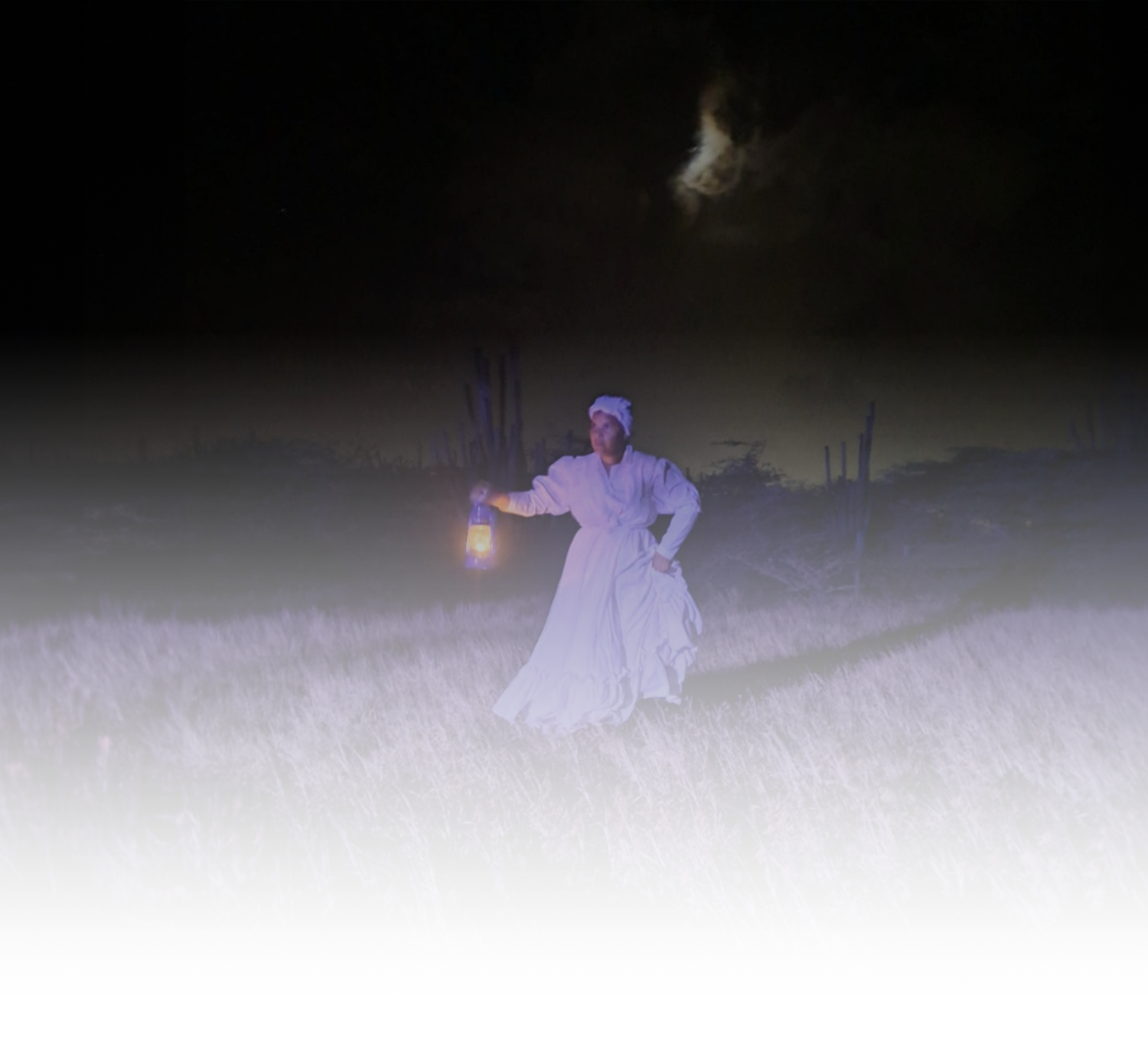
From Mon Plaisir
Mon Plaisir was one of the largest plantations on Aruba during the nineteenth century and became known not only for its connection to slavery, but also for agricultural production, including aloe cultivation. The plantation was originally associated with the French immigrant Louis Bazin, who arrived on Aruba around 1830. Historical records mention that Bazin owned enslaved people who were forced to work, among other activities, in gold extraction in the eastern parts of Aruba.
After Bazin’s death in 1853, his widow type: asset-hyperlink id: 4qQTf8hN3LehZnyIMFsHY7 remarried
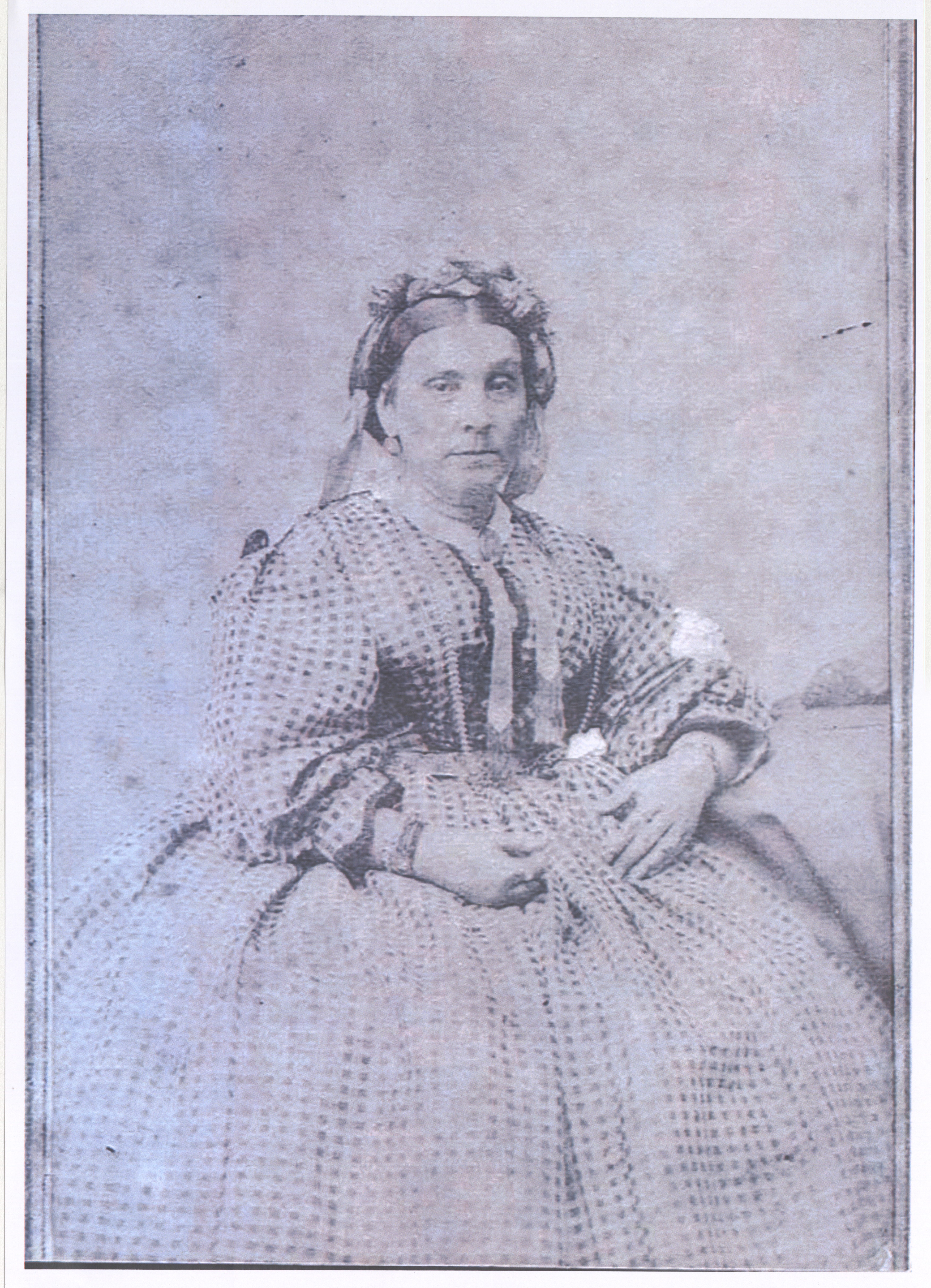
merchant Pedro Joseph Frigerio. Through this marriage, Mon Plaisir and the enslaved people connected to the plantation became part of the Frigerio estate. At the moment slavery was abolished on 1 July 1863, 27 enslaved people were officially registered at Mon Plaisir under the Frigerio family.
The records connected to Mon Plaisir reveal not only names, but also professions, ages, family relations, and the surnames people received after emancipation. Among the people enslaved at Mon Plaisir were members of the Fingal, Bijlo, Morel, Medus, Wernet, and Lomp families. Some were registered as laborers, servants, laundresses, shepherds, cooks, hatmakers, or vendors.
Historical accounts describe Mon Plaisir as one of the more prominent estates of its time. According to local newspaper archives, the plantation house was said to have been among the first houses on Aruba with glass windows, and the Frigerio family reportedly owned one of the island’s first pianos.
After the slavery period, Mon Plaisir continued operating as an agricultural estate and later became known as an aloe plantation. Historical sources mention that a new aloe oven was built on the property when the land passed into the hands of the Evertsz family. Cochineal was also cultivated on the plantation before the area gradually urbanized.
Over time, the land later passed into the hands of Alfredo Jesurun, the Evertsz family, and eventually Adrian Lacle. The plantation landscape gradually disappeared as the area developed into the modern district known today.
Today, the historic location of Mon Plaisir houses institutes such as the Arubiana/Caribiana Department and the National Library of Aruba, Biblioteca Nacional Aruba.
More information, archival records, and the names connected to Mon Plaisir can be found in the archives and slavery database of Coleccion Aruba, where emancipation registers, slave registers, birth and death records, and manumission documents have been digitally preserved.
Explore the names and archival records connected to Mon Plaisir: Mon Plaisir – Coleccion Aruba Database