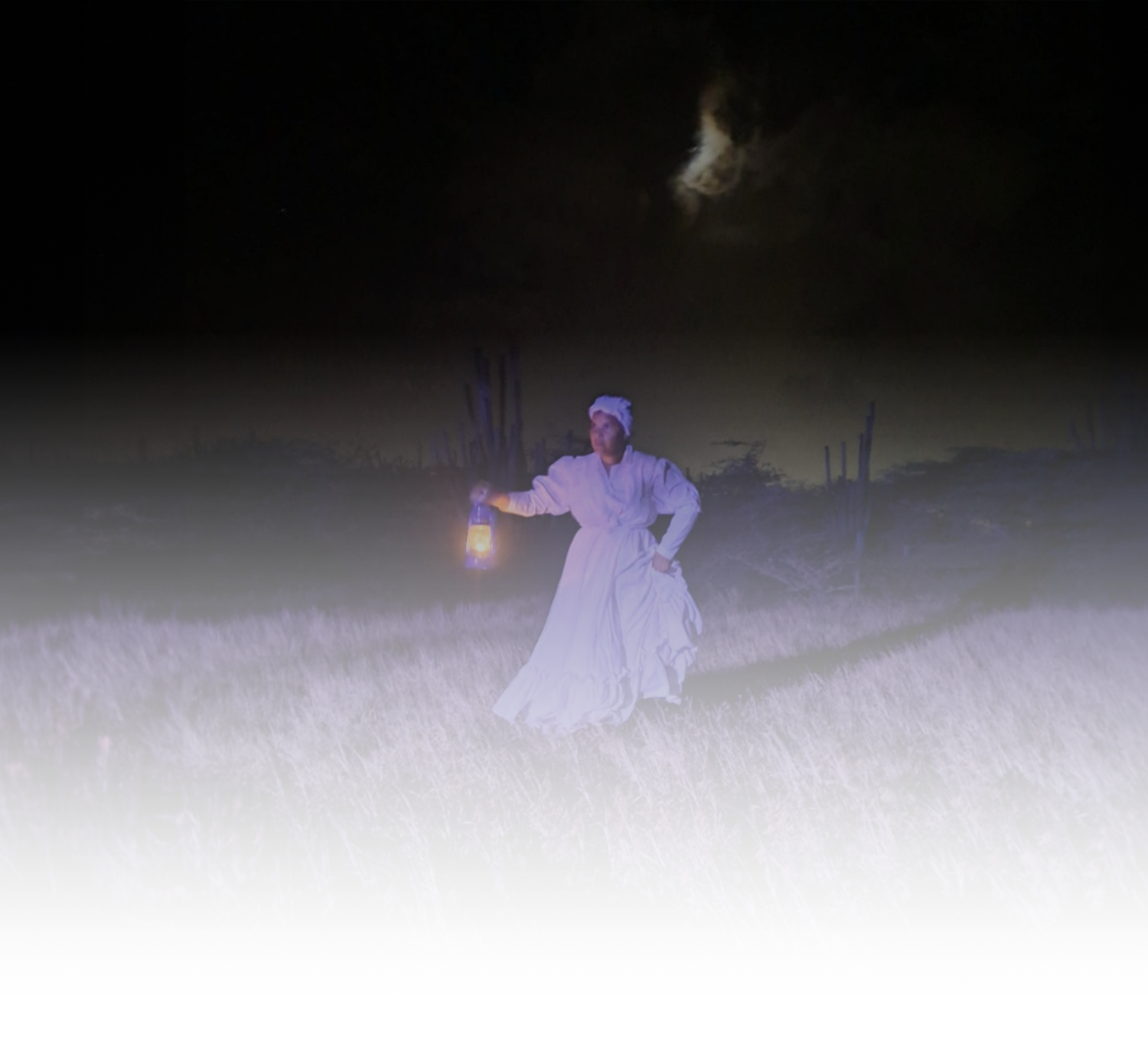
Of all the places connected to Aruba's slavery past, Fort Zoutman, also known as Forti, is perhaps the most tangible.
While plantations disappeared, landscapes changed and communities expanded, the walls of Fort Zoutman remain standing more than two centuries later. Fort Zoutman is one of the few surviving physical reminders of Aruba's colonial past. Built in 1798 to defend Paardenbaai, the fort was constructed with the labor of enslaved people brought to Aruba, alongside Indigenous inhabitants who were required to provide labor and materials. Yet the fort was more than a military structure. It became the center of colonial authority on the island.
Within its walls, enslaved people were reduced to entries in tax registers and property records. From 1839 onward, the colonial administration assigned a fixed value of 200 florins to every enslaved person, on which owners paid a yearly tax of one percent. So the owners paid taxes on the people they claimed as property. Here, punishments , such as flogging, were recorded and enforced. Here, prisoners were confined in holding cells. The fort was not merely a military structure—it was one of the places where colonial power was exercised over the lives of enslaved Arubans.
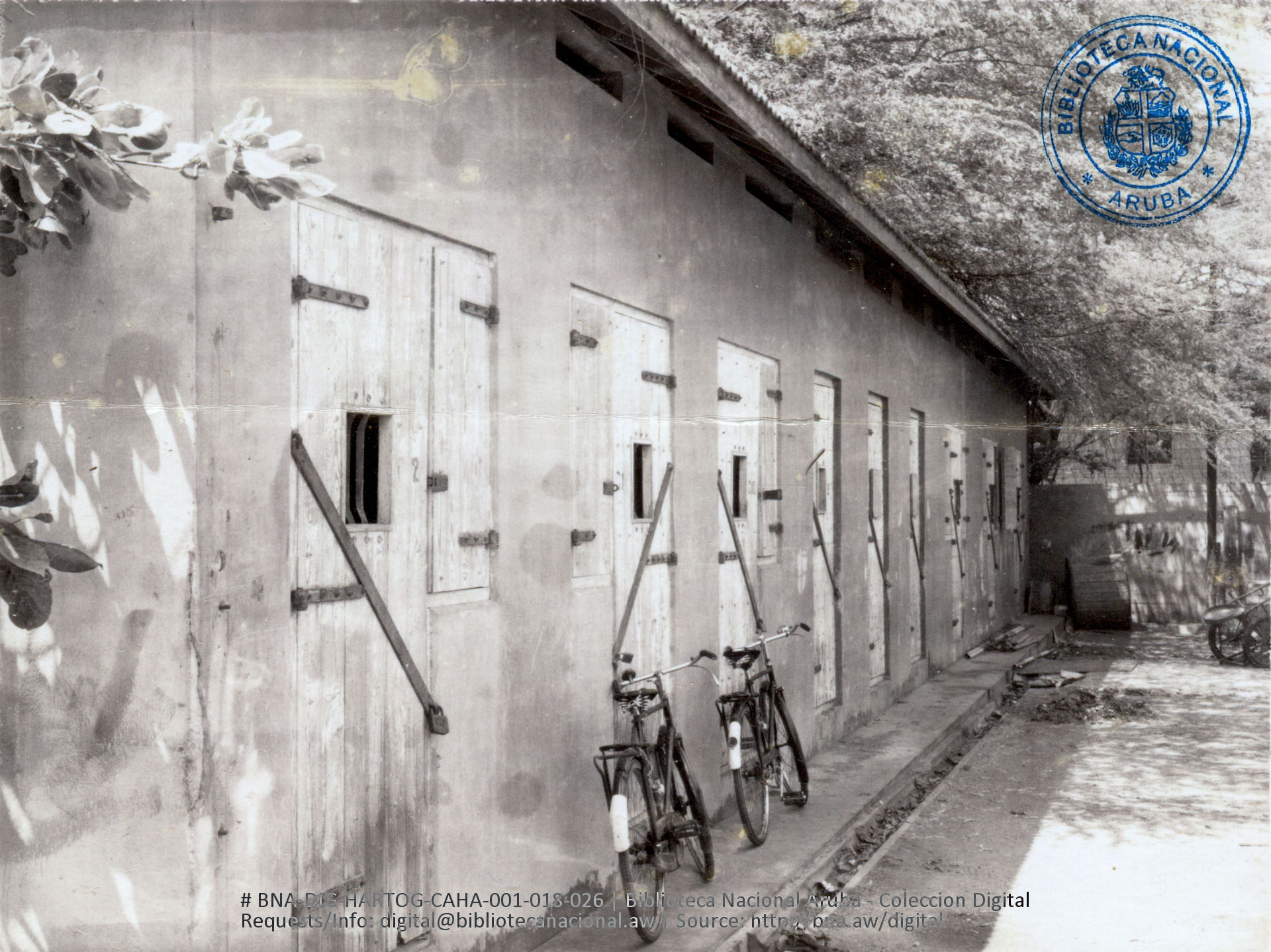
Today, Fort Zoutman houses Aruba's Historical Museum. Yet long before it preserved history, it helped shape it.Today, Fort Zoutman houses Aruba's Historical Museum. Yet long before it preserved history, it helped shape it. As the oldest surviving structure and tangible site connected to the island's slavery past, it remains a powerful reminder of the people whose labor built the fort and of the system that operated within its walls.
The plantations reveal where enslaved people lived and worked. Fort Zoutman reveals how the system that governed their lives was administered.