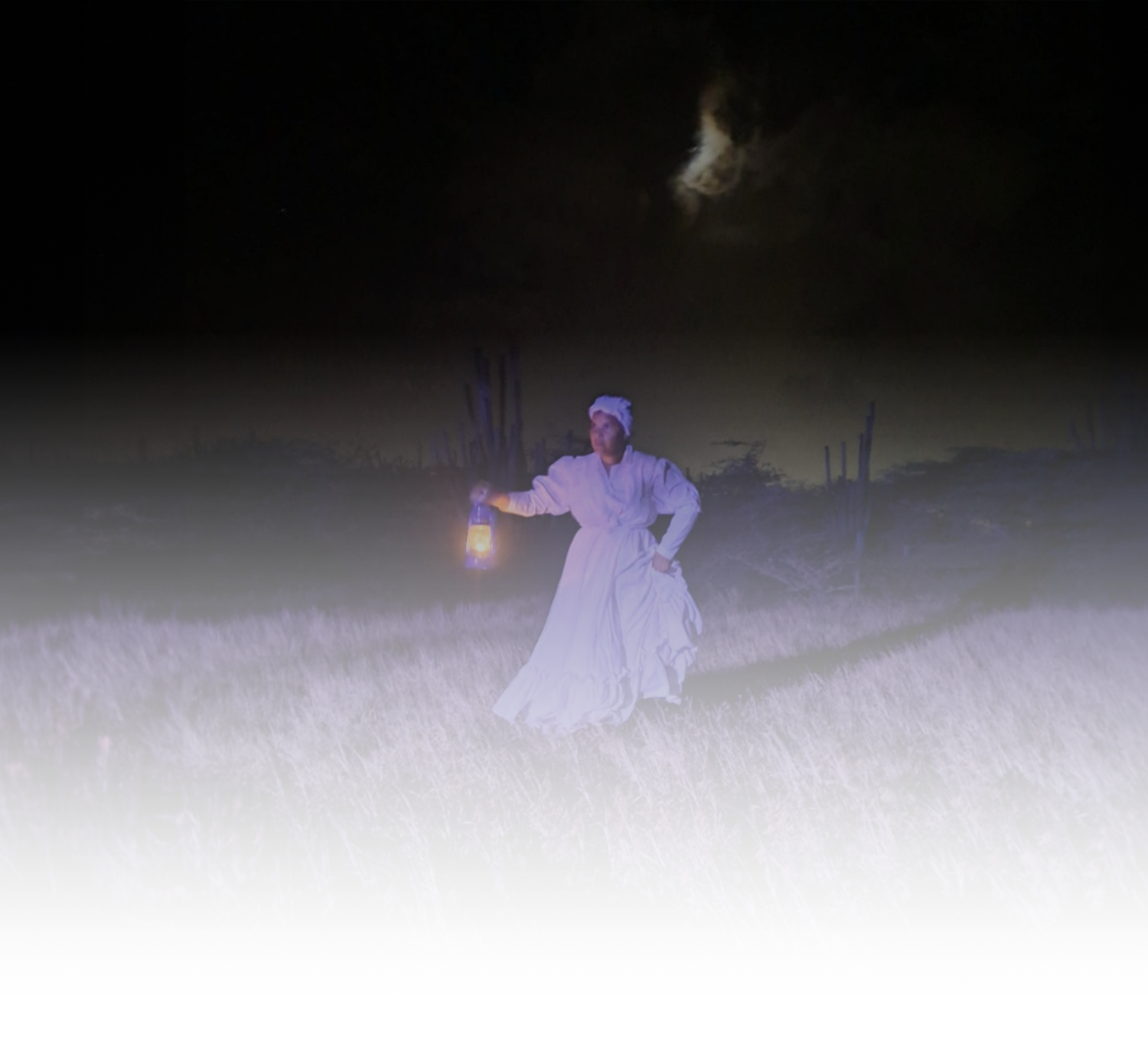
From Santa Helena
Today, many Arubans know Santa Helena as a neighborhood. Few realize that the area takes its name from a nineteenth-century plantation whose history survived through the families who continued to live there after emancipation.
Historical records show that the plantation was owned by Marten Evertsz in 1839. What makes Santa Helena remarkable is its connection to the Everon family, whose name appears to have originated during the transition from slavery to freedom.
When slavery was abolished in the Dutch Caribbean in 1863, formerly enslaved people were required to adopt surnames. In some cases, these names reflected existing connections to owners, plantations or households, while at the same time marking the beginning of a new identity. The surname Everon is believed to have originated from the name Evertsz, linking the family to the plantation's owner while also representing a new family lineage after emancipation.
The history of Santa Helena therefore illustrates how emancipation changed more than a person's legal status. It also transformed identities. New family names emerged, creating lineages that continue to the present day. Through those names, descendants carry traces of a past that was shaped by slavery but did not end there.
Santa Helena also tells a story of land. Historical records indicate that the plantation was later inherited by formerly enslaved members of the Everon family. In a society where land ownership had long been concentrated in the hands of a small elite, access to land represented an opportunity to build an independent future.
Today, little remains of the plantation itself. Yet the history of Santa Helena survives through family histories and archival records. It reminds us that emancipation was not only about freedom from slavery, but also about the creation of new families, new identities and new communities that continue to shape Aruba today.