Riba Seroe di Biento
tin un baca maluco,
muchanan cu ta yora,
baca ta bin comenan.
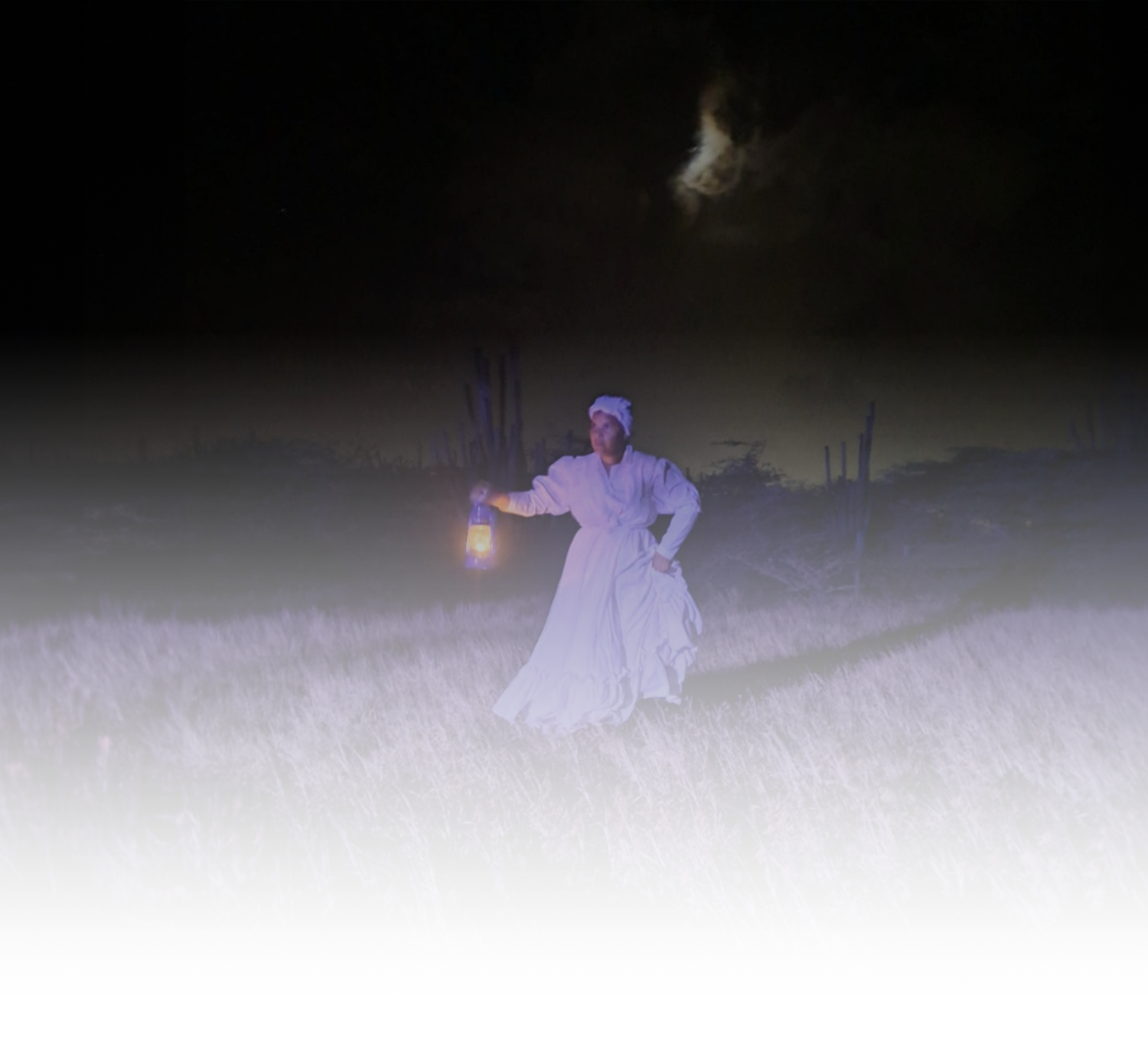
For generations, Aruban children fell asleep to the lullaby Riba Seroe di Biento. The song tells of a baca maluco — a "crazy cow" said to roam the hills of Seroe Biento and come for children who cried. Like many traditional lullabies, it carried a simple message: do not wander around after dark and do not seek trouble.
The song survived through oral tradition in the communities surrounding Seroe Biento, Canashito and Hooiberg. These hills were once part of a wider landscape of plantations and agricultural lands owned by families such as the Croes family. Archival records show that enslaved people and their descendants lived throughout this region. Family names such as Stamper, Bijlo, and Krozendijk remain connected to the area to this day.
The memory of this landscape was preserved not only through songs, but also through stories. In the 1960s, folklorist Ito Tromp interviewed Catharina "Mayeye" Ridderstap, who recalled stories she had heard from older generations. Mayeye remembered celebrations marking the abolition of slavery, with flags, music, and festivities that lasted for days. She also spoke about Dominga Krozendijk, a formerly enslaved woman whom she had known personally. Through Dominga's memories, stories of slavery, hard labour, and punishments such as beatings with a bulpees continued to be passed down long after emancipation.
Together, the lullaby Riba Seroe di Biento and the memories recorded by Mayeye reveal how history survived in this community. Long before these stories were written down, they were carried by the voices of families who lived in the shadow of Hooiberg, Canashito and Seroe Biento. Through oral tradition, songs, and family memories, the past remained part of everyday life.
Today, the lullaby remains a reminder that Aruba's history is preserved not only in archives, but also in the stories and songs passed from grandparents to children across generations.