From Rooi Tambu
Today, Tambu is celebrated as an important part of Aruba's cultural heritage. Yet for nearly two centuries, the music, dance and gatherings associated with Tambu have sparked debate and attempts at control.
In the nineteenth century, colonial authorities regarded tambu gatherings with suspicion. Official records show that in 1827 night-time gatherings and so-called tamboer dances were prohibited unless organizers obtained a permit from the authorities. The permit cost 1.5 guilders, a considerable amount for many people. Colonial officials described these gatherings as undesirable, disorderly and disruptive to public order.
More than a decade later, the restrictions remained in place. In 1838, Aruba's commander Simon Plats instructed district officials to take action against night-time tambu dance gatherings and not to allow them without official permission. The concern was not only the music itself, but also the gathering of large groups of people beyond the direct control of the colonial authorities.
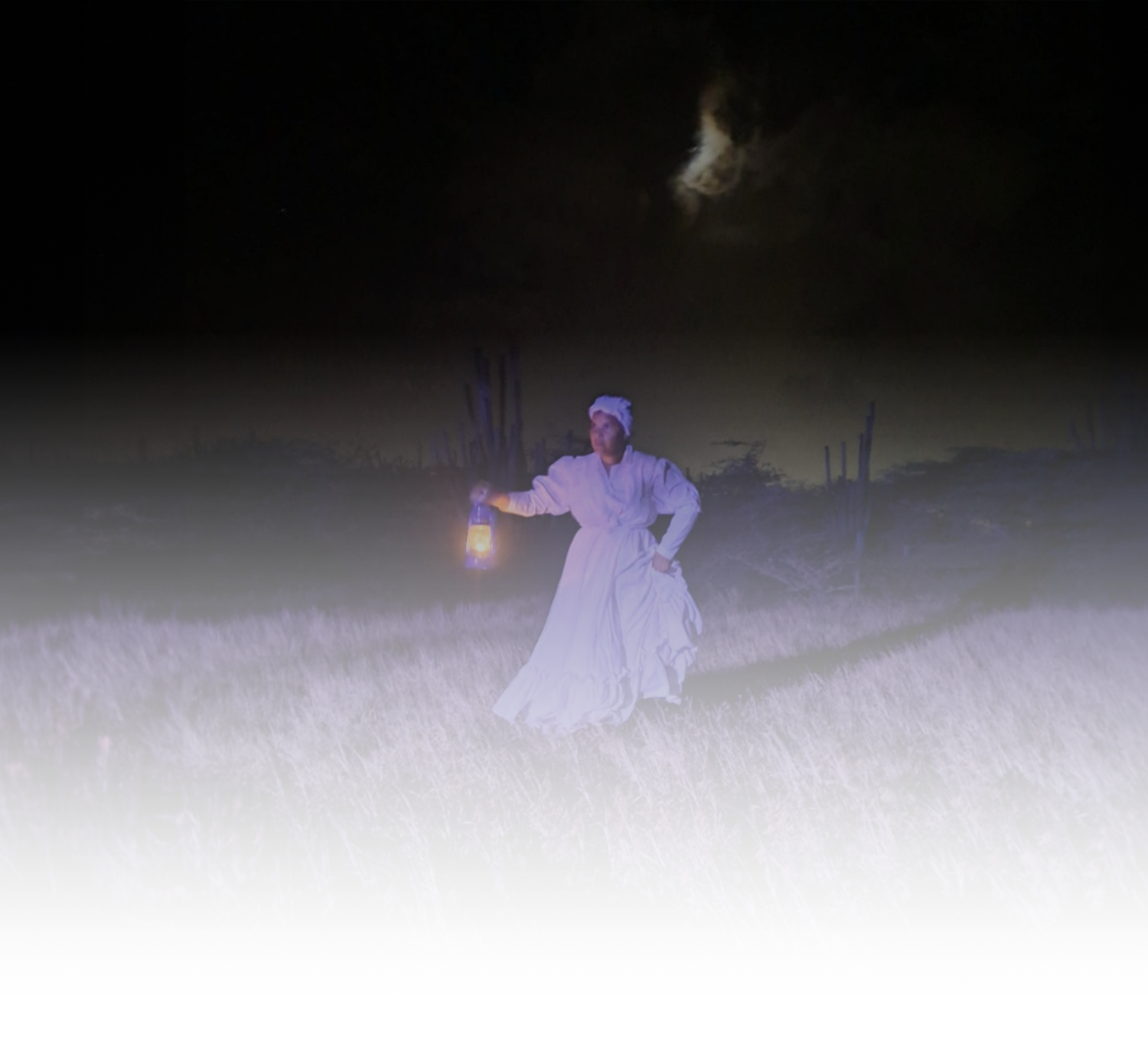
Despite these restrictions, tambu continued to flourish. People adapted by gathering in more isolated locations, among Aruba's hills, mondi and streams. According to oral tradition, places such as Rooi Tambu derived their name from these gatherings, where people could celebrate away from the eyes of the authorities.
The consequences of participating in tambu could be severe. In 1860, an enslaved man named Flip received twelve lashes for playing tambu. His punishment illustrates how seriously colonial authorities viewed these gatherings and how cultural expression itself could become grounds for punishment.
Yet tambu was never simply music or dance. It was a way for people to come together, celebrate, share stories, express emotions, strengthen community bonds and maintain cultural traditions. It was a space for joy, but also for resilience and self-expression.
The controversy surrounding tambu did not disappear with the end of slavery. Throughout the twentieth century, critics often associated tambu with immorality, indecency or inappropriate behaviour. Similar debates continue today. Musical Time's rendition of "Ki Mishi Bo Lenga Ey'bou" sparked discussion because of its suggestive lyrics and performance style. In 2023, organizers of the Rotterdam Zomercarnaval temporarily prohibited bubbling because of concerns about the dancing.
Separated by nearly two centuries, these examples reveal a striking continuity. Again and again, Afro-Caribbean music and dance traditions have been criticized, regulated or restricted. The language may have changed, but the debate remains familiar: where is the line between cultural expression and public morality? Despite permits, punishments, criticism and controversy, tambu endured.
Perhaps that is its greatest legacy. More than a musical tradition, tambu is a story of cultural resilience. Generations of people continued to sing, dance and celebrate through tambu, ensuring that the tradition survived long after the restrictions that sought to control it.